
Unlock your animated dreams by learning how to become a voice actor for cartoons, from training to landing gigs | A VO’s Journey has you covered.
The Ins And Outs Of Living Your Animated Dream
Have you ever wondered how to become a voice actor for cartoons? If bringing animated characters to life with just the power of your voice sounds like your dream job, you’ve come to the right place.
Breaking into the world of cartoon voice acting is an exciting adventure, but it takes dedication, training, and a touch of vocal magic.
Leave your email and we'll send you voice over practice scripts, with new ones every month.
Free. Unsubscribe any time. PrivacyIn this step-by-step guide, we’ll give you the inside scoop on how to be a voice actor for cartoons. Whether you’re just starting on your voice-over journey or looking to score your first gig, these tips will start you on the path to voice-acting fame and glory.
How To Get Into Voice Acting With No Experience
Voice acting for cartoons may seem like a far-off dream if you’re just getting your start. With the right training and skills, anyone can learn how to become a cartoon voice actor for animated shows and movies.
Here are the main steps to becoming a professional voice performer for animated shows and movies:
1. Get Acting and Voice-Over Training
Sure, raw talent helps, but it’s not the only thing that matters. Proper acting and voice-over training gives you a natural edge at any point in your career. Investing in foundational courses helps build and fine-tune your vocal skills and characterization abilities.
When looking for voice-over courses, make sure to look for classes that focus on the following:
- Vocal techniques like projection, articulation, and flexibility
- Character development and acting methods
- Voice-over specifics like mic technique, audio editing, and home studio setup
Online programs, local workshops, and private coaching offer flexible ways to get cartoon voice-over training.
2. Practice Reading and Acting Scripts
The job of a cartoon voice-over actor is to bring scripts to life vocally. Reading scripts aloud and acting them out is essentially voice-over practice. Regular rehearsal strengthens your sight-reading abilities and character portrayal skills. Plan mini read-through sessions daily, focusing on enunciation and vocal variety. Record yourself to analyze areas for improvement. Use both commercial and cartoon scripts to expand your versatility.

3. Develop Distinct Voices
Having vocal flexibility and creating unique character voices is key for stellar cartoon voice acting. Work on expanding your pitch range and developing distinct vocal textures. Come up with original character voices by playing with elements like pace, tone, accents, and speech patterns. Maintain vocal health with proper warmups and technique.
4. Create A Professional Voice-Over Demo
A voice-over demo that showcases your animation acting abilities is crucial for auditioning for cartoon roles. Build a portfolio with examples of your character voice work and commercial reads.
High-quality, animation-focused demos significantly improve your chances of landing auditions and gigs. Reach out to demo producers who specialize in creating reels for cartoon and animation voice acting.
5. Set Up Your Home Recording Studio
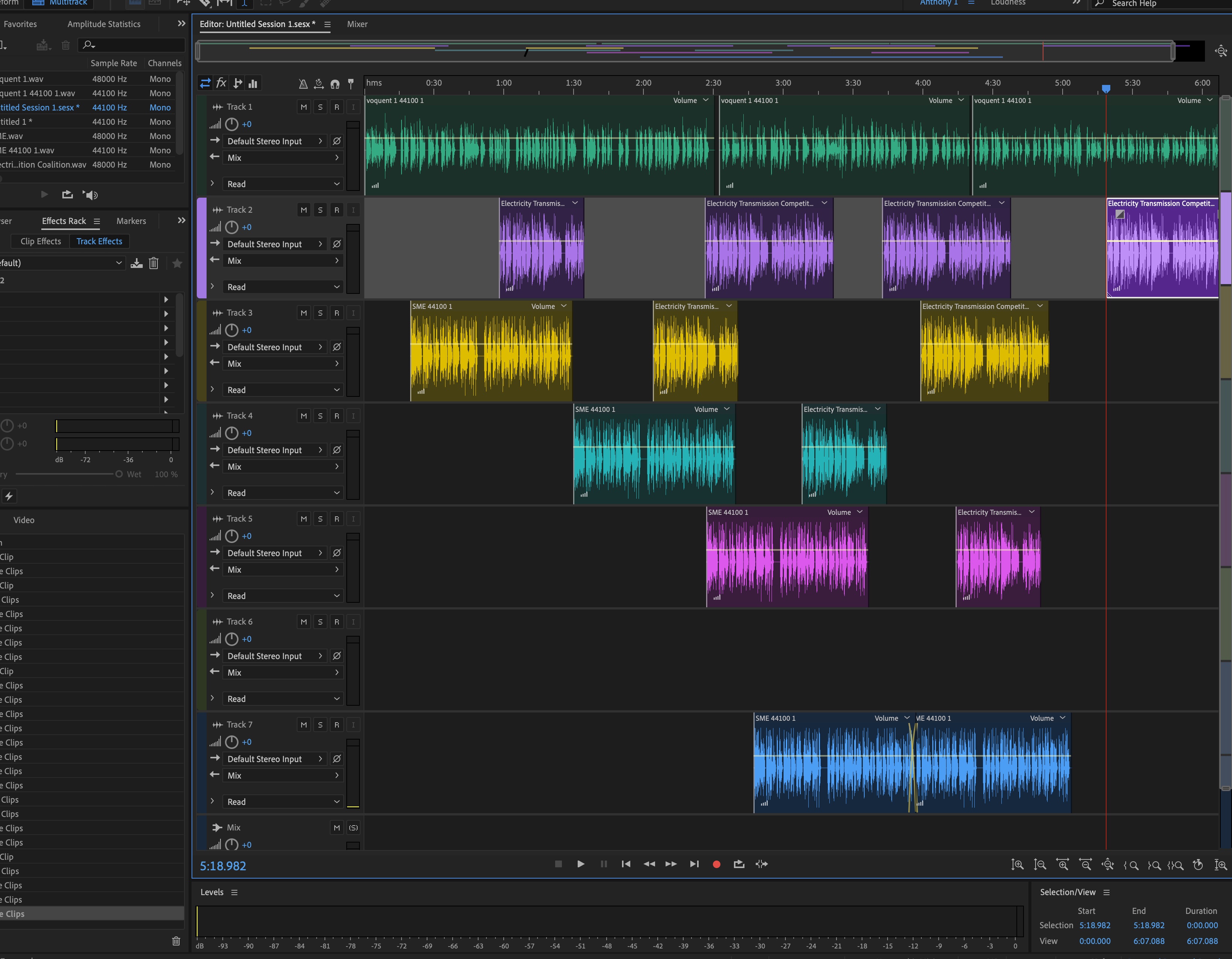
While not required, having a home studio can give you the flexibility to self-tape cartoon voice-over auditions. Make sure you have essential equipment like a microphone, audio interface, editing software, and room treatment.
Research affordable voice-over equipment options to build your own do-it-yourself vocal booth. Learn proper mic techniques and how to edit recordings. Test out your home studio setup to ensure high audio quality.
6. Join Animation and Voice-Over Communities
Connecting with other voice actors and animation professionals is invaluable for building your network. Social media groups, voice-over sites, and organizations help you promote your services and discover new opportunities. Actively participate by sharing your work and knowledge and following leading animation studios to stay on top of potential openings and attend industry events whenever possible.
How To Get Voice Acting Jobs For Cartoons
Once you have the skills and tools to succeed as a cartoon voice actor, it’s time to seek jobs. Here are some top ways to get your foot in the animation industry’s door:
- Find auditions and castings on job sites like Voices.com, Voice123, and Academy Voices. Set up your profile and upload demos to get matched with opportunities.
- Check studio websites and social media for open voice acting roles. Major animation houses like Disney and Nickelodeon frequently post auditions.
- Sign up with an agency that specializes in representing animation talent. They can connect you with big projects and provide guidance.
- Attend animation events and network in person whenever possible. Make connections that could lead to unlisted cartoon voice-acting jobs.
- Reach out directly to indie creators developing animated shorts, films, games, and other projects.
- Leverage sites like Fiverr and Upwork to find freelance cartoon voice gigs.
- Consider unpaid and student projects to gain experience and build up your portfolio.
You can steadily begin booking paid cartoon voice work with persistence and a killer-out demo reel.
Finding Your Niche In The Cartoon Universe
When starting out, consider whether you want to specialize or be a generalist. Factors like your skills, interests, and vocal qualities help determine your best voice niche.
Some examples of cartoon voice specialties:
- Kid voices - High-pitched with lots of energy and sass
- Comedic voices - Wacky and humorous for comedic relief characters
- Impressions - Mimicking iconic voices like Bugs Bunny or Shrek
- Accents - Proficiency with regional dialects and foreign accents
- Animal noises - From roaring lions to squeaking mice
- Narration - Smooth, conversational reads for intros and explanations
- Promo voices - Hype energy perfect for TV spots and trailers
- Villains - Unique, sinister voices for bad guys and creatures
Consider roles matching your most potent abilities or train to expand your vocal range. Some prefer specializing, while others audition more generally to get steady work. Wherever your talents lie, own your niche.
Pro Voice-Over Tips For Animation Success
Reach pro status with these top voice-acting tips from the experts:
- Take direction well. Animation involves lots of retakes to nail scenes.
- Bring energy and enthusiasm to every role. Passion projects through your voice.
- Work on vocal endurance. Some gigs require hours of reading, yelling, or even singing.
- Improvise when possible. Ad-libbing spices up comedic takes.
- Research the role before auditions. Understand the character you’re portraying.
- Promote yourself constantly. Social media provides excellent visibility.
- Keep training those unique character voices. Versatility is invaluable.
- Balance your portfolio with commercial work. Diversify income streams.
- Continue networking even when booked. Maintain relationships and find new gigs.
Juggling Multiple Roles: How To Manage Time And Creativity
Once you know how to become a voice actor for cartoons, you need to prepare for success. For in-demand voice actors, playing multiple cartoon characters can get hectic. Being so busy that you need to learn time management is an excellent problem to have. Here’s how to juggle various roles successfully:
- Keep detailed character cheat sheets to jog your memory on their vocal quirks.
- Schedule wiggle room between sessions to shift your headspace. Rome wasn’t built in a day, and neither was Mickey Mouse.
- Optimize your home studio for smooth voice transitions. Have sound clips and vocal warmups ready to go.
- Use calendars, timers, and reminders to your benefit. Don’t let deadlines fly by faster than Road Runner escaping Wile E. Coyote.
- Strategically group recording sessions when working on multiple shows. Variety is the spice of life.
- Avoid overstuffing your schedule. Leave breathing room to recharge your pipes and spark creativity. You can’t pour from an empty cup.
- Take vocal breaks to give those chords some R&R with herbal tea, exercises, and quiet time.
With intelligent time management and self-care, you can play multiple roles without losing steam. Now, get out there and make some cartoon magic.
Nailing The Audition: Dos And Don’ts For Cartoon Voice Actors
Make no mistake, acing your big cartoon voice-over audition requires mastery of proper etiquette. When callback opportunities hang in the balance, how you conduct yourself matters. Follow these tips, and you’ll be well on your way to winning them over:
|
DOs ✅ |
DON’Ts ❌ |
|
Devote time to extensively researching the role and project. Grasping the character’s essence is pivotal. |
Entertain the idea of criticizing others or spreading gossip. Stay focused on the positive. |
|
Arriving early to test equipment demonstrates your professionalism and organization. |
Vocalize criticism about the script. Some things are better kept to yourself. |
|
Greet everyone respectfully and politely: that first impression sets the tone. |
Forget to handle rejection gracefully - it’s just part of the journey. |
|
Send handwritten thank you notes afterward, a meaningful gesture that won’t be forgotten. |
Stop persevering! Your time will come, and remember: tenacity pays dividends. |
|
…Don’t be afraid to try something unique! Sometimes, calculated risks bring big rewards. |